
Peak-Hour Cost Management
Use stored electricity when grid tariffs are higher to reduce peak-hour purchases. Where demand charges apply, a battery can also help limit short spikes in the power your facility draws from the grid.
Store excess solar and wind energy to reduce peak-hour electricity costs and ensure reliable backup power during grid outages.
+91 95242 10055
When a compatible solar or wind system produces more electricity than your site is using, the surplus can charge the battery.
The battery holds electricity for later use. An energy management system controls charging and discharging and can set aside a reserve for backup.
The battery supplies power during selected billing periods or to designated equipment during a grid outage when configured for backup.

Use stored electricity when grid tariffs are higher to reduce peak-hour purchases. Where demand charges apply, a battery can also help limit short spikes in the power your facility draws from the grid.
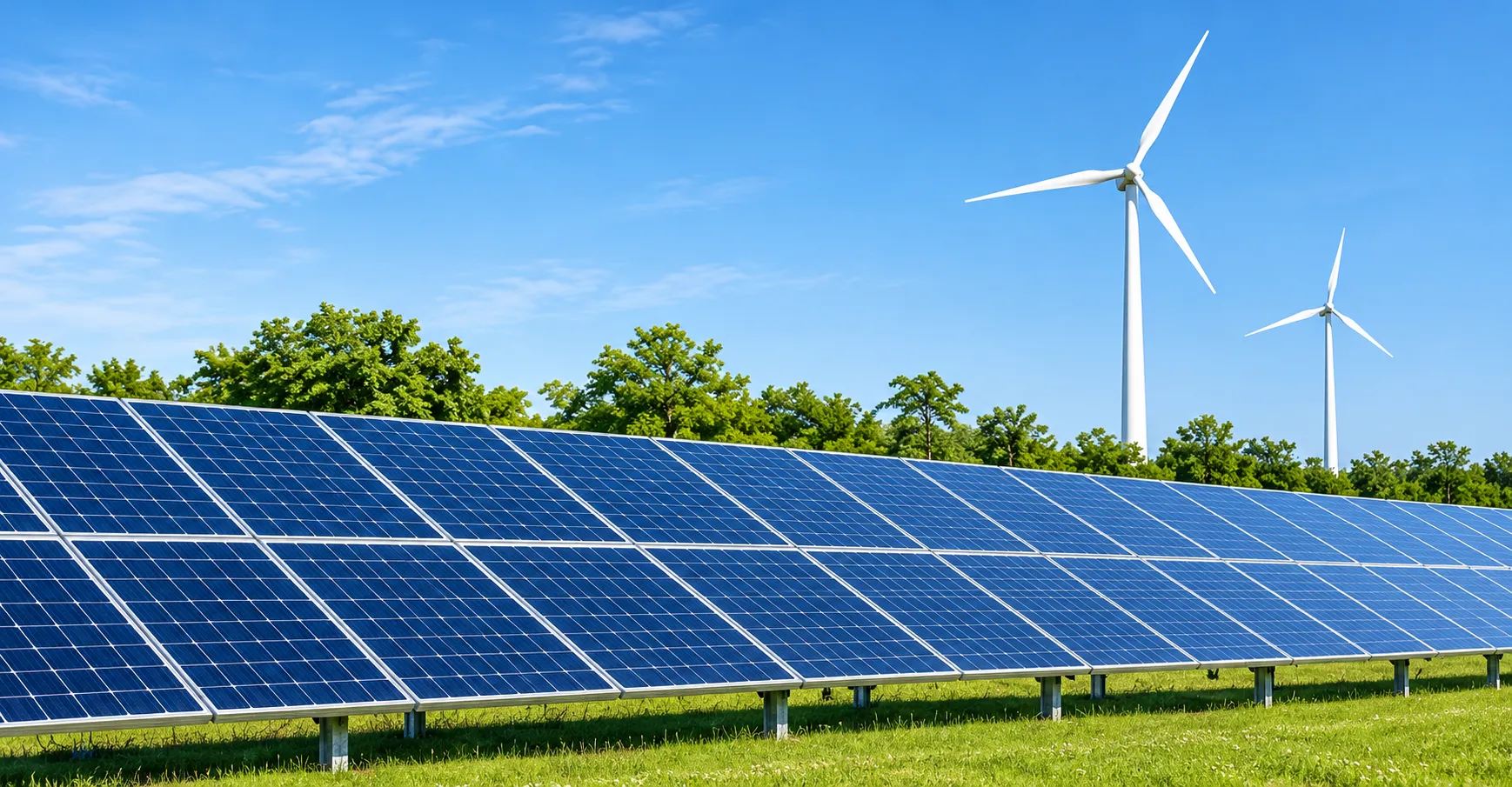
Add battery storage to a new renewable energy project or assess it for an existing solar or wind setup. Storage lets your facility use more of its renewable electricity after sunset or when generation drops.
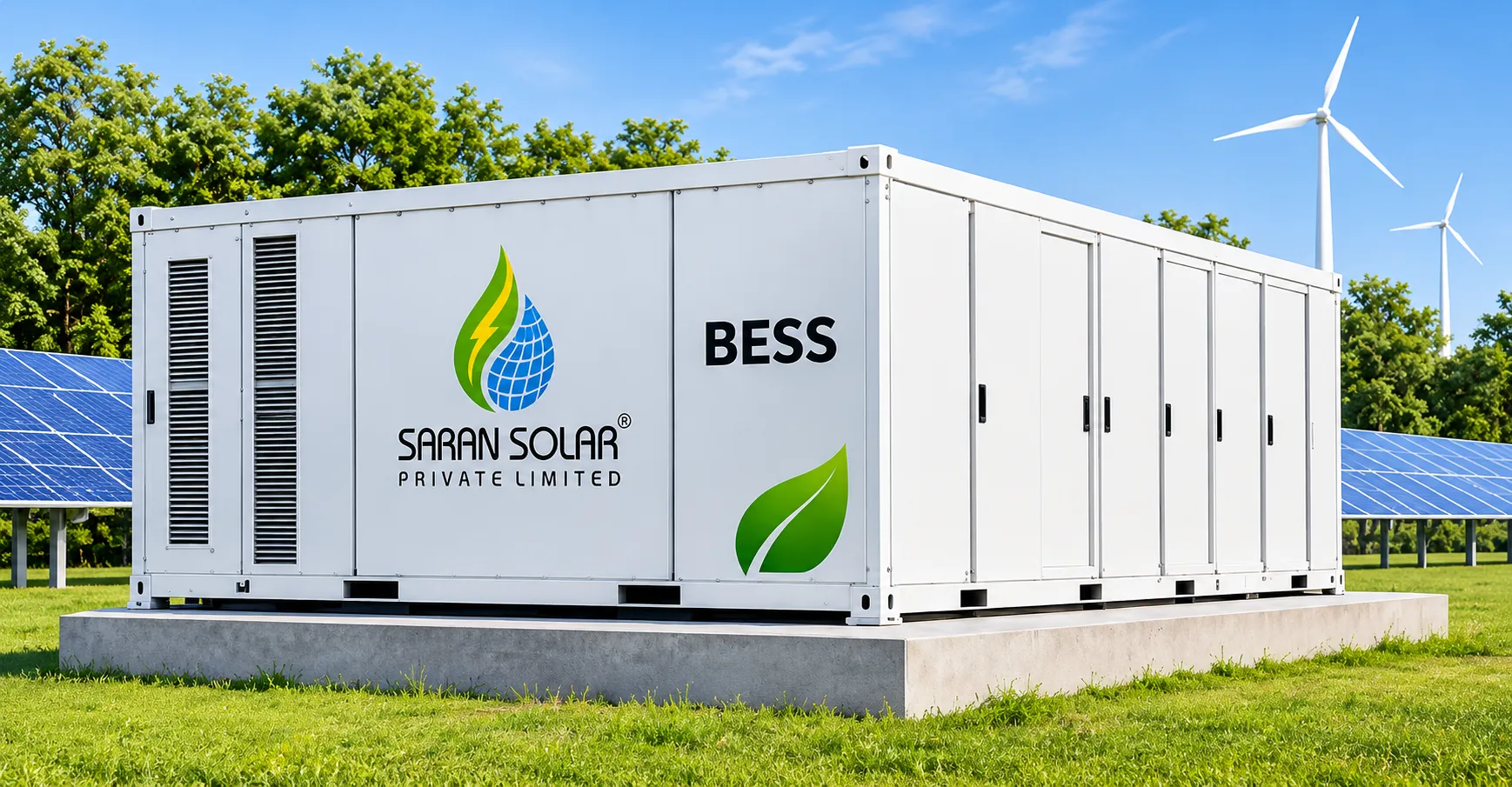
Keep selected equipment such as controls, IT systems or essential production equipment powered during outages. A BESS can work alongside a diesel generator and reduce generator runtime and fuel use where the site and operating pattern allow.
If your electricity bill uses these time slots, Saran Solar can assess whether storing energy during C4 and using it during applicable C1 or C2 periods could reduce your peak-hour purchases. The assessment considers your tariff, battery location and any open-access power agreement.
Manage grid demand and energy costs across production shifts.
Use stored renewable electricity during peak hours at spinning and textile facilities.
Plan backup for designated equipment and essential facility systems.
Assess storage for critical IT infrastructure and existing backup systems.
Manage peak-hour grid use at offices, banks and retail properties.
Plan storage for logistics operations, including sites with refrigeration or other priority loads.
Manage peak-hour electricity costs and plan backup for essential hotel systems.
Plan backup for refrigeration and essential equipment at food production facilities.
Manage peak-hour electricity use for milling, drying and other processing equipment.
Store daytime solar power for evening campus use and plan backup for essential systems.
We also assess projects for residential townships.
Battery storage can be added to many existing solar installations. We review your inverter, electrical setup and operating goals to determine a suitable connection.
Backup time depends on how much usable energy the battery has when an outage starts and how much power the connected equipment draws. We estimate runtime for the equipment you want to keep running.
Savings depend on your tariff, when your site uses electricity, how the battery is charged and how it is operated. We use your bills and available usage data to estimate potential savings and payback.
Yes. Some sites use batteries for shorter interruptions and retain the generator for longer outages or higher loads. We assess how the two systems can work together at your facility.
For peak-hour cost management, sizing starts with your electricity use during higher-tariff periods. For backup, it starts with the power needed by your selected equipment and the time you need it to run.
Yes, if it is sized and configured for both. The controls can reserve a portion of the battery’s energy for outages and use the remaining capacity during scheduled hours.
WhatsApp us